Expert guide to green garages for fleets
April 23, 2026Here are the ins and outs of green garage technologies that are capable of handling electric vehicles.

Four and a half years ago, the original version of this article argued that green garages were a smart bet for forward-looking fleets. That case has aged well. The ground beneath it has shifted considerably, though. EV adoption is broader and also more nuanced. Smart charging and battery storage have moved from novelties to operational basics. And reporting pressure from customers, states, and international regulators has moved sustainability from brand story to boardroom metric.
If your garage has been sitting on a "someday" list, someday has probably arrived. Here is what a green garage looks like in 2026, and how to think about sequencing the work.
What EV-ready infrastructure actually looks like now
The short version of the original 2021 advice was "install EV charging stations." That is still right, but a garage designed for 2026 and beyond needs to think about more than plug count.
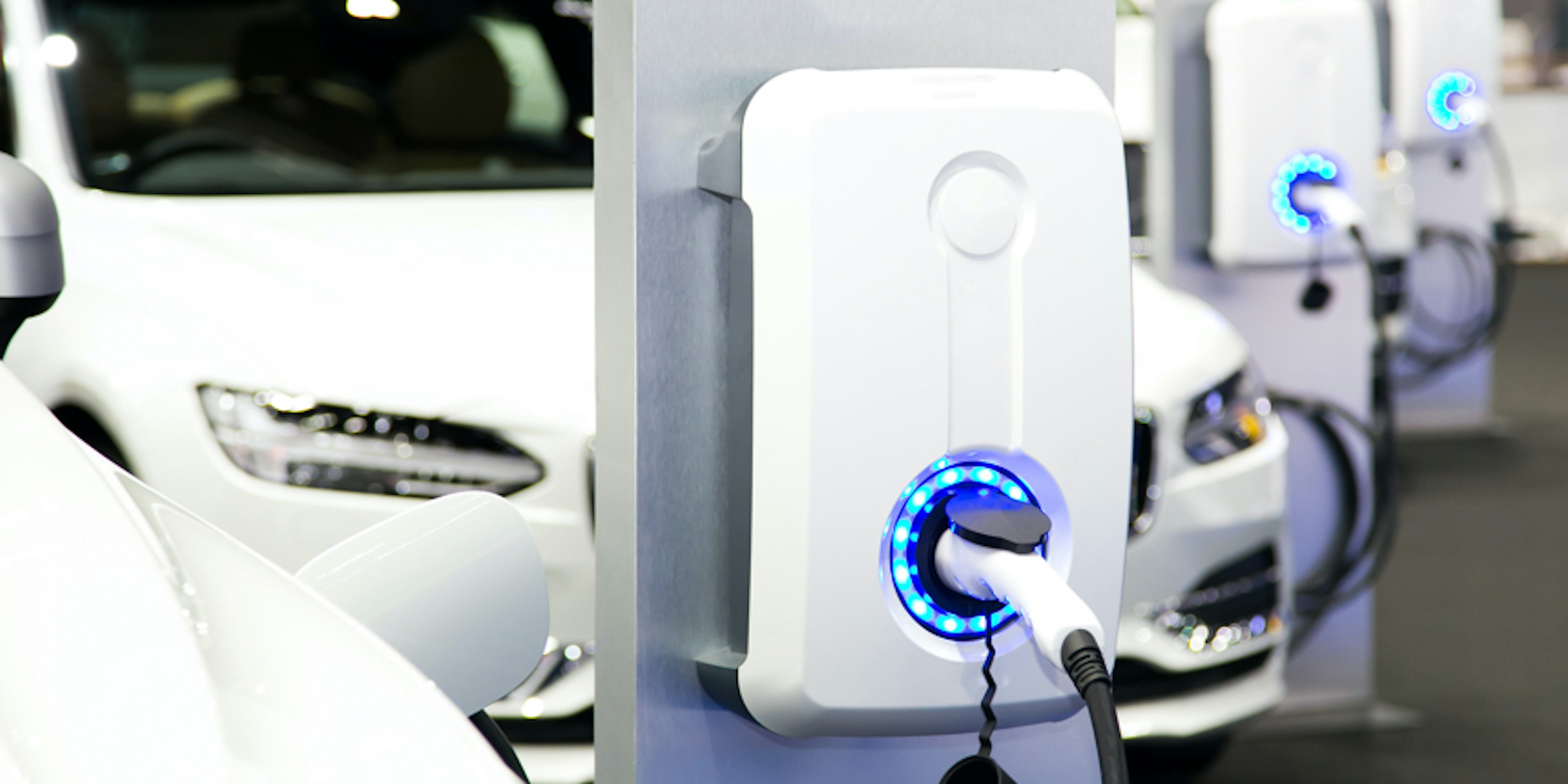
Level 2 and DC fast charging, matched to your routes. Level 2 AC chargers, typically 7 to 19 kW, handle overnight depot charging for light-duty fleets. Equipment and installation costs generally run $3,500 to $15,000 per port depending on site conditions. DC fast charging ($18,000 to well over $350,000 per port) makes sense for medium- and heavy-duty vehicles with tight dwell windows or quick-turn logistics operations. For most light-duty fleets parking overnight at a depot, Level 2 is the workhorse and DC fast is a targeted supplement.
Managed (smart) charging. This is the biggest technical advance since the original article ran. The U.S. Department of Energy recommends managed charging for any fleet above a handful of vehicles because it controls when and how fast vehicles charge. Done well, managed charging flattens demand peaks, avoids costly grid upgrades, reduces utility demand charges, and in many markets shifts load to cheaper off-peak hours. The savings compound quickly. A mid-sized depot can see six-figure avoided infrastructure costs from a good smart charging strategy.
Load planning before you dig. Many sites need electrical service upgrades, new transformers, or panel work before chargers go in. That work often costs more than the chargers themselves and takes longer than people expect. An early utility conversation and load study can save months on the timeline.
Future-proofing for heavier vehicles. If your fleet includes or will soon include Class 4 through Class 8 vehicles, build conduit and electrical capacity now for higher-power charging. Megawatt charging systems are rolling out on freight corridors in 2026. Retrofitting later is always more expensive than overbuilding a little up front.
Beyond charging: the ESG case is no longer optional in some cases
In 2021, sustainability was mostly a brand play. In 2026, it has become a reporting obligation for a growing number of organizations, and customer pressure is pulling even smaller fleets into the conversation.
A few data points worth knowing:
- California Senate Bill 253 requires U.S. companies doing business in the state with more than $1 billion in annual revenue to disclose Scope 1, 2, and 3 greenhouse gas emissions. The California Air Resources Board set the first Scope 1 and 2 reporting deadline for August 10, 2026.
- Several additional states, including New York, Colorado, New Jersey, and Illinois, have climate disclosure bills in various stages of legislative progress.
Fleet operations show up on these reports as Scope 1 emissions (owned vehicles and facilities) and, for fleets operating as upstream partners, as Scope 3 emissions on a customer’s books. A green garage is one of the clearest Scope 1 and 2 interventions you can make. It reduces fuel burn, electrifies vehicles cleanly, lowers facility energy intensity, and produces auditable data. That last point matters. Reports need numbers, and a modern garage equipped with networked charging, telematics, and sub-metered energy use produces them continuously.
The brand argument has not disappeared either. A fleet that can show its work on emissions reduction is competing on more than price.
Practical moves, ranked by impact
Some of the original article’s suggestions still hold. A few have been replaced or resequenced based on where the dollars actually go in today’s market.
LED lighting. Still one of the fastest payback investments in a garage. The Department of Energy reports that LED fixtures use roughly 75 percent less energy than incandescent bulbs and last up to 25 times longer. Bay lighting, exterior lighting, and office lighting are easy wins. Technicians also work more accurately under good lighting, which is a quiet safety and quality benefit worth noting on the ROI memo.
Rooftop solar. Commercial rooftop solar payback periods currently run between five and twelve years, depending on state electricity rates, sun hours, and incentive programs. A south-facing roof in a high-rate state like New York or California can pay back in under seven years. Ohio sits closer to twelve. State and utility incentive programs can move the needle significantly, so a good site study will account for what is available in your market before you commit.
Battery energy storage. Pairing solar with behind-the-meter batteries, or deploying standalone storage, lets you shave demand peaks and potentially participate in utility demand response programs. For garages with heavy EV charging loads, storage is increasingly part of a cost-avoidance strategy rather than an environmental flourish.
Closed-loop waste systems. Used oil, coolant, tires, batteries, filters, and absorbents all have established recycling channels. Many parts suppliers will buy back cores. Chemical and solvent reclamation is routine. The savings are modest individually but add up, and they produce clean data for waste-diversion metrics.
Water management. Oil-water separators, collection basins, and recycled-water vehicle wash systems reduce freshwater use and help keep your site out of stormwater violations. EPA stormwater discharge fines can be significant and often come with remediation costs on top.
Smart HVAC and building controls. Programmable thermostats, occupancy sensors, and bay door heating-loss controls trim HVAC loads quietly. Energy Star offers guidance and certification pathways for new construction and existing buildings alike.
Cleaner fuels for your non-electric fleet. Most fleets will run mixed-fuel for years. Renewable diesel (HVO), biodiesel blends, and renewable natural gas can reduce lifecycle emissions from existing assets without waiting for an EV replacement cycle.
Idle reduction. Vehicles emit disproportionately at idle. Start-stop technology, telematics-based driver coaching, and simple policy changes often deliver meaningful reductions at near-zero capital cost.
Bringing your team along
No capital investment pays off without the people running the garage. A few practices keep momentum:
- Share the data. Technicians and drivers who see kilowatt-hours saved, emissions avoided, or demand charges reduced stay engaged.
- Train before you install. A new charger or managed charging platform lands better when the shift lead has already been through the training before go-live.
- Make sustainability visible in small ways too. Recycling stations, clearly labeled waste streams, and break-room composting reinforce that your garage investments are part of a broader commitment.
- Recognize participation. Monthly shout-outs or small incentives for drivers with the lowest idle time or technicians who flag energy waste cost almost nothing and move culture.
Where to go from here
As of 2026, most fleets already agree that modernization is coming. The harder question is sequencing. Charging infrastructure and site electrical capacity usually top the list of near-term decisions because they have the longest lead times and the biggest budget implications. Solar, storage, LED retrofits, and managed charging can move on a steadier cadence once the foundation is in place. The reporting requirements sitting behind all of it are unlikely to loosen anytime soon.
If you are weighing where to start, or you already have a project on the board and want a second set of eyes, the Mike Albert fleet electrification team has been working on these challenges since 2010. A fleet consultation is on the house.
Skills covered in the class
Brand Image
Data-Driven Decision Making
Mobility-Mindset
Fleet Electrification
Did you enjoy this class?
Share it with your organization and colleagues.